

Zamak Parts for the Automotive Industry: Requirements, Certifications, and Benefits
The automotive industry is one of the most demanding sectors of all. Every part incorporated into a vehicle must meet tight tolerances, withstand severe operating conditions, and be part of a documented, auditable, and certified quality system. Zamak, produced via hot-chamber die casting, meets all of these requirements—provided you choose a subcontractor who truly masters them.
At a Glance — What You’ll Find in This Article
The automotive industry is one of the most demanding sectors for its suppliers: tight tolerances, full traceability, mandatory certifications, and zero tolerance for errors in mass production. Zamak, produced via hot-chamber die casting, meets these requirements across a wide range of parts—from locks to windshield wiper mechanisms and dashboard mounts. This article details the industry’s technical requirements, the practical role of IATF 16949 certification in your relationship with your foundry, and why zamak has established itself as the material of choice where precision, repeatability, and high-volume production converge.
What the Automotive Industry Demands of a Technical Part
An automotive component does not come off the mold and go directly into production: it undergoes a rigorous qualification process before entering mass production. Dimensional repeatability, vibration resistance, tolerance to temperature variations, and suitability for anti-corrosion surface treatments—each criterion is documented, measured, and traceable. Even the slightest deviation in production can trigger an 8D report and halt an assembly line at the end customer’s facility. This reality requires the foundry not only to have technical expertise but also an integrated quality management system capable of responding quickly and preventing recurrence.
Why Zamak Is Suitable for Automotive Parts
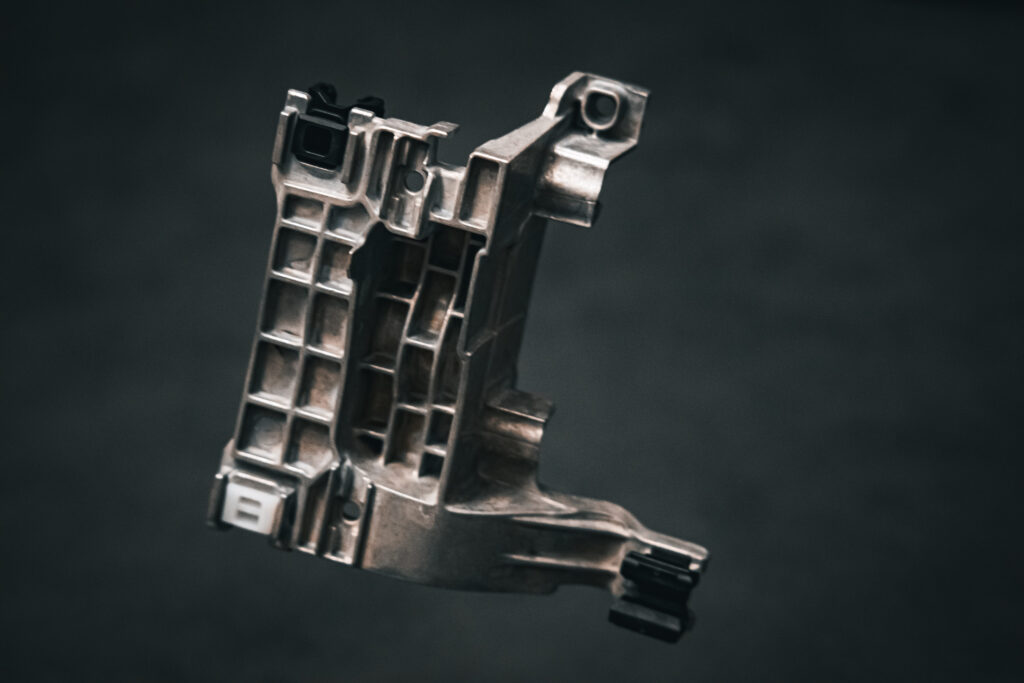
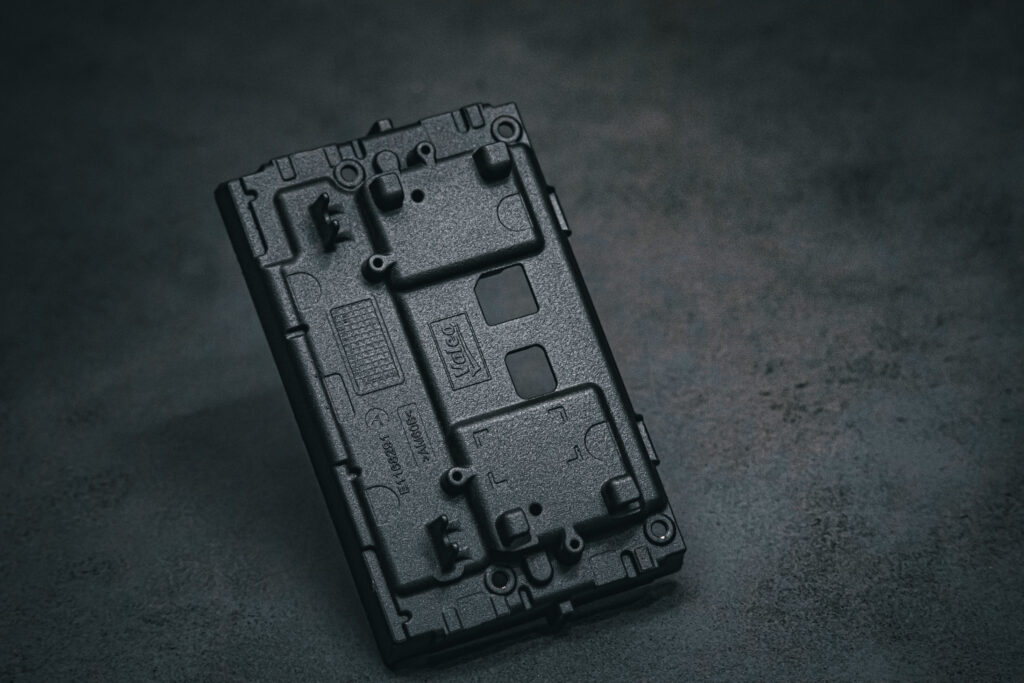
Zamak is not a compromise in the automotive industry: it is often the optimal material. Its flowability during injection molding allows for complex geometries and thin walls that are unattainable with aluminum under the same economic conditions. Its dimensional repeatability—due to the thermal stability of the hot-chamber process—is a decisive advantage for production runs of several hundred thousand parts. Its resistance to wear and friction makes it a natural choice for lock mechanisms, windshield wiper pivots, door handles, and seat belt components. Where specifications do not require extreme weight reduction, zamak often offers the best technical and economic solution.
IATF 16949 Certification: What It Means for You
IATF 16949 is the quality standard specific to the automotive industry. It goes well beyond ISO 9001: it incorporates requirements specific to automotive industry customers—process FMEA management, monitoring plans, PPAP, 8D incident response with the implementation of error-proofing (Poka Yoke), and statistical production monitoring. Working with an IATF 16949-certified foundry means that its quality system has been audited and validated according to these standards. At ID Casting, the SIOBRA (Arbois) and ID Components (Ben Arous) sites hold this certification. In practice, this translates to structured production documentation, inspection plans aligned with your requirements, and batch-by-batch traceability throughout the entire supply chain.
Traceability, FMEA, and Incident Management
In the automotive industry, quality isn’t measured solely by compliant parts—it’s also measured by the ability to respond when something goes wrong. ID Casting systematically works with its customers on process FMEA analyses to anticipate failure modes before they reach mass production. In the event of an incident, the 8D process—which includes root cause analysis and the implementation of physical anti-misalignment features on critical interfaces—is standard practice. The inspection tools deployed in production—3D metrology, camera inspections, leak and density testing, and QRQC statistical monitoring—enable us to detect deviations as early as possible and guarantee zero defects upon delivery.
Families of Zamak Parts in the Automotive Industry
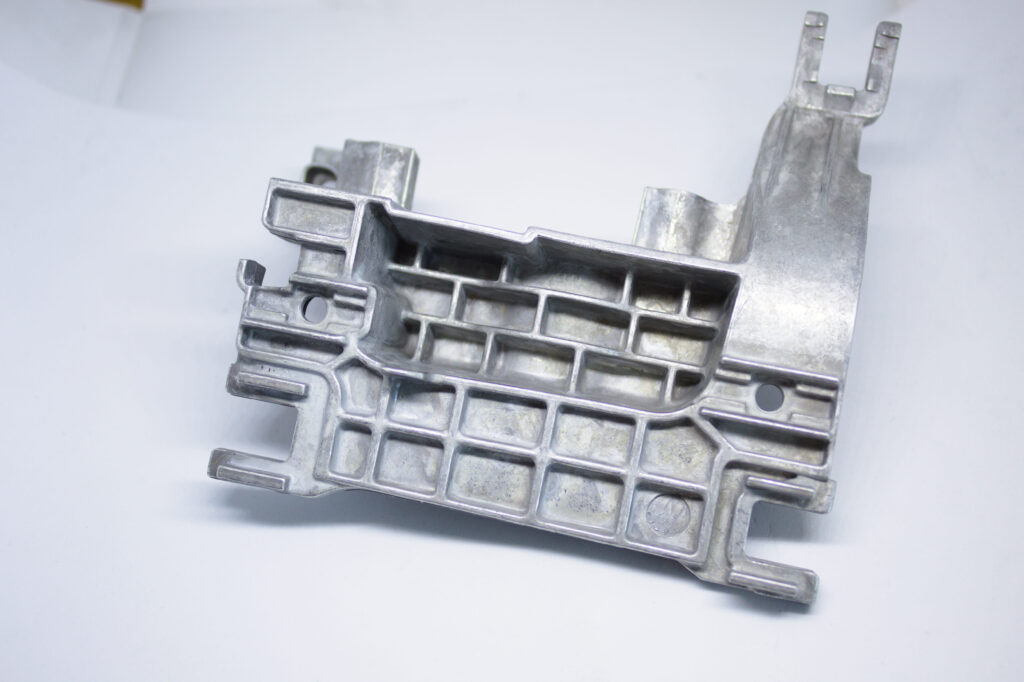
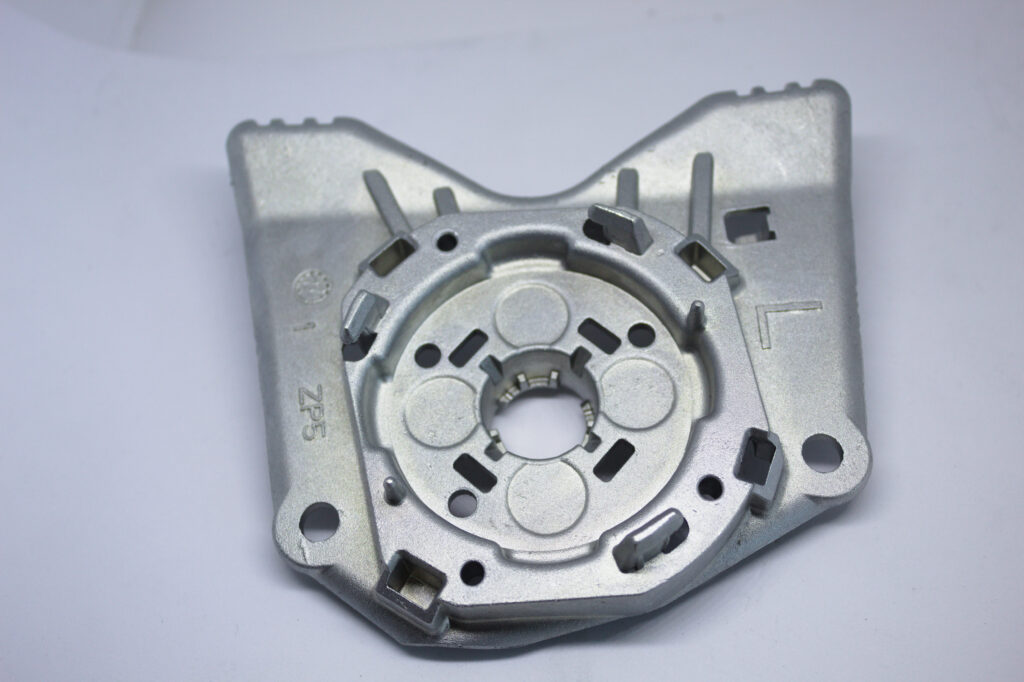
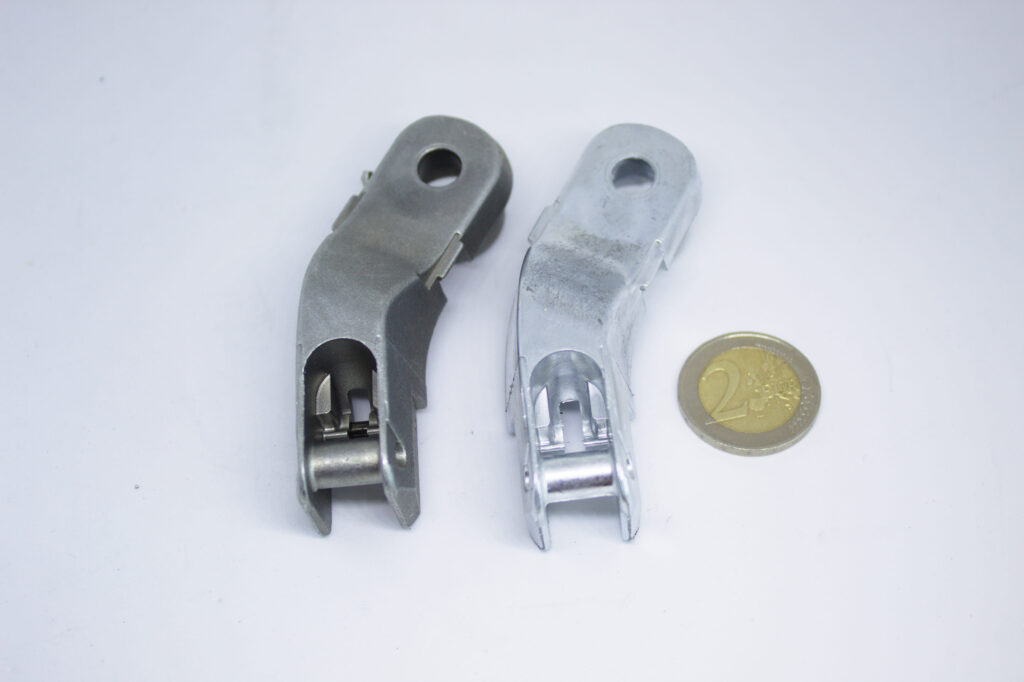
Zamak is used in a wide range of vehicle components. ID Casting’s automotive customers use it, in particular, for door locks and mechanisms, windshield wiper pivot pins, headlight and visor brackets, seatbelt components, remote control housings, valve bodies and fittings, instrument panel components, and seat mechanism parts. What these applications have in common are high dimensional precision requirements, high production volumes, and, in most cases, specific finishing or surface treatment requirements.
What ID Casting Specifically Brings to the Automotive Industry
Manufacturing automotive parts requires a level of organization that cannot be improvised. The SIOBRA facility in Arbois, which is IATF 16949-certified, is structured to meet the requirements of automotive customers: PPAP qualification, document management for monitoring plans, and incident response. The teams at ID Casting work closely with their customers starting in the co-design phase to anticipate critical issues—parting lines, sealing areas, inserts, and surface treatments—and to validate a design that meets its objectives right from the first tooling parts.
Key Takeaways
Zamak meets the automotive industry’s requirements for precision, repeatability, and wear resistance. IATF 16949 certification indicates that the foundry’s quality system is structured to address the challenges of the industry. The co-design from the outset remains the most effective way to control costs and timelines over the life cycle of a production run.
Are you developing an automotive component made of zinc alloy? Contact the ID Casting team for a feasibility analysis and expert guidance starting from the design phase.