

Zamak Casting Subcontracting in France:
How to Choose a Supplier?
Abstract:
Delivery delays, dimensional deviations, and production costs that spiral out of control during mass production: the consequences of choosing the wrong zamak foundry are rarely apparent at the time the quote is signed. To avoid these pitfalls, it’s essential to know which criteria to focus on—beyond just the price per kilogram. Expertise in the hot-chamber process, the ability to collaborate on co-design, quality certifications, a strong industrial presence in France, and extensive experience: this article breaks down the factors that truly make a difference when compiling your shortlist of subcontractors.
Choosing a Zamak casting subcontractor is about more than just comparing prices per kilogram. Behind every quote lies technical expertise, industrial organization, and a culture of quality that will ultimately determine whether your project meets its deadlines, tolerances, and production costs over the life of the production run. Here are the key criteria for creating a solid shortlist.
Mastery of the hot-cell process: a non-negotiable requirement
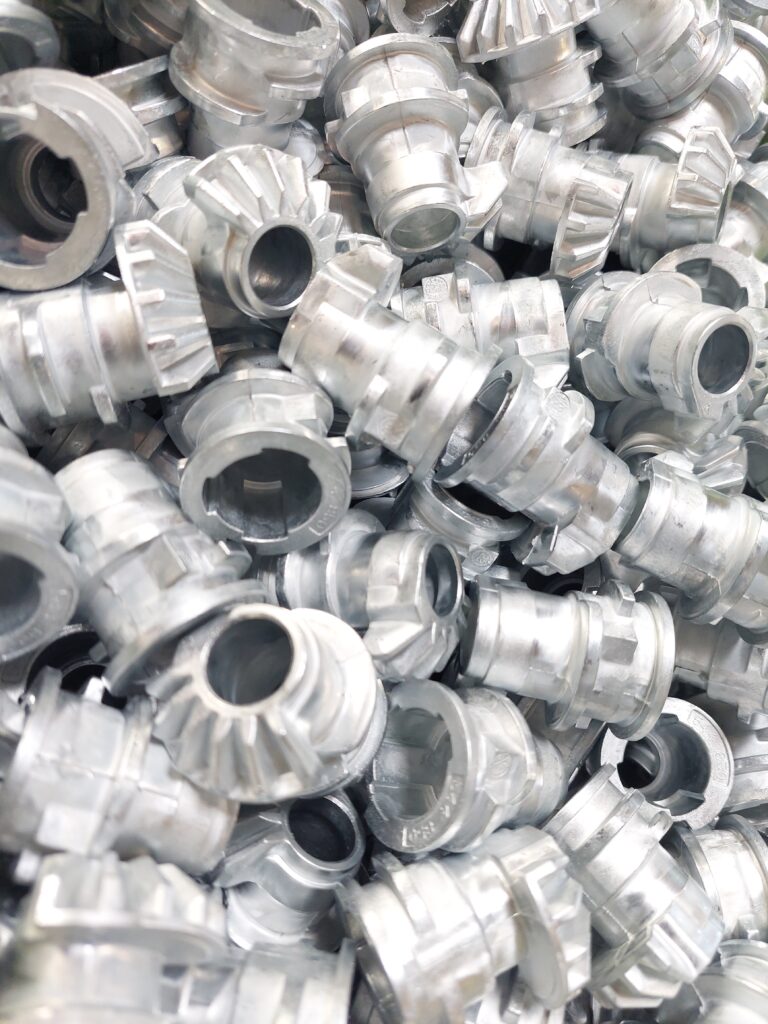
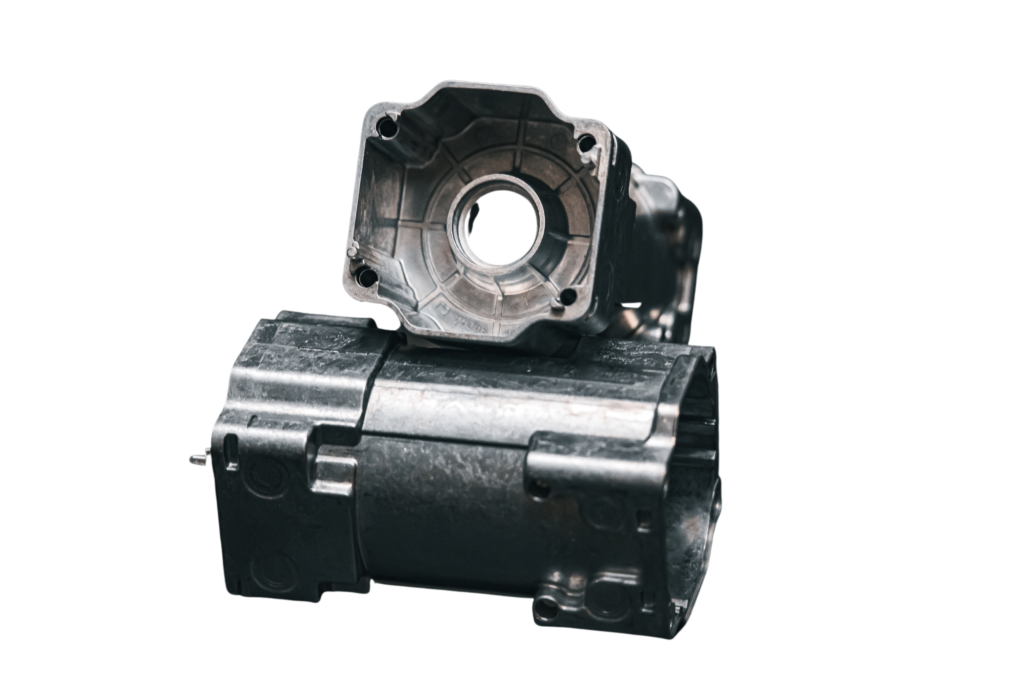
Zamak die casting relies on a specific process—the hot-chamber method—which not all foundries master to the same degree. A reputable supplier must be able to demonstrate its press capabilities (tonnage, cycle rates, die sizes), the composition and traceability of its alloys, and its dimensional repeatability in mass production.
At ID Casting, the fleet consists of 45 hot-chamber injection molding machines spread across three sites: Igny, Arbois, and Ben Arous, with molds that typically exceed one million shots.
Quality, Certifications, and Traceability
In a B2B industrial context, certifications are not merely an administrative formality: they document a quality management system that applies to every part and every production run. IATF 16949 certification is the standard for automotive suppliers; ISO 9001 covers general requirements. Also verify the traceability of the alloys used, the in-line dimensional inspection methods, and the procedures for handling nonconformities.
Co-design: A Commitment That’s Evident Right from the Quote
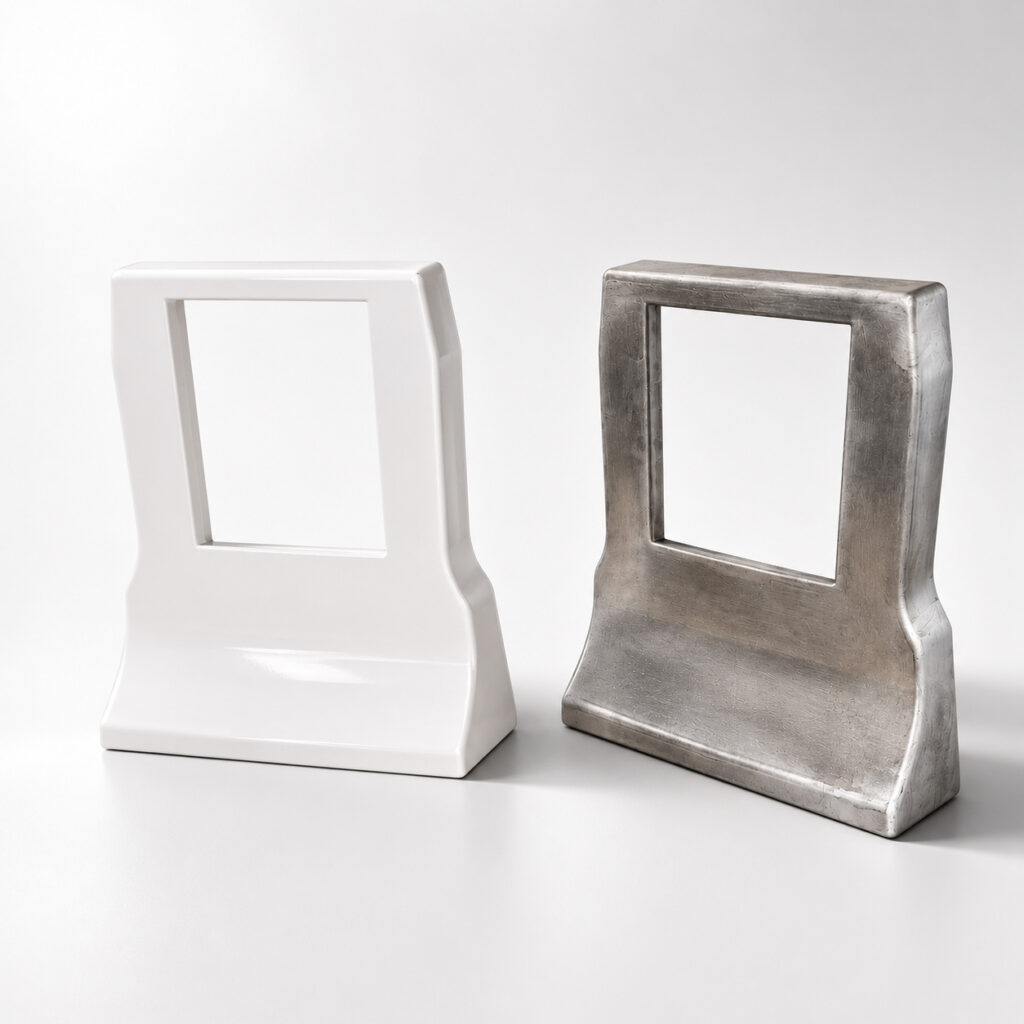
A good subcontractor doesn’t just manufacture what is submitted to them. They get involved early on, at a stage when design choices still have an impact on tooling costs, mold service life, and the part’s suitability for the process. This capacity for co-design—including parting line analysis, filling simulation, and selection of the appropriate Zamak grade—is often crucial for avoiding costly back-and-forth exchanges between the design office and the production floor. This is precisely what ID Casting has been offering its customers for over sixty years.
Establishing a Presence in France and Securing the Supply Chain
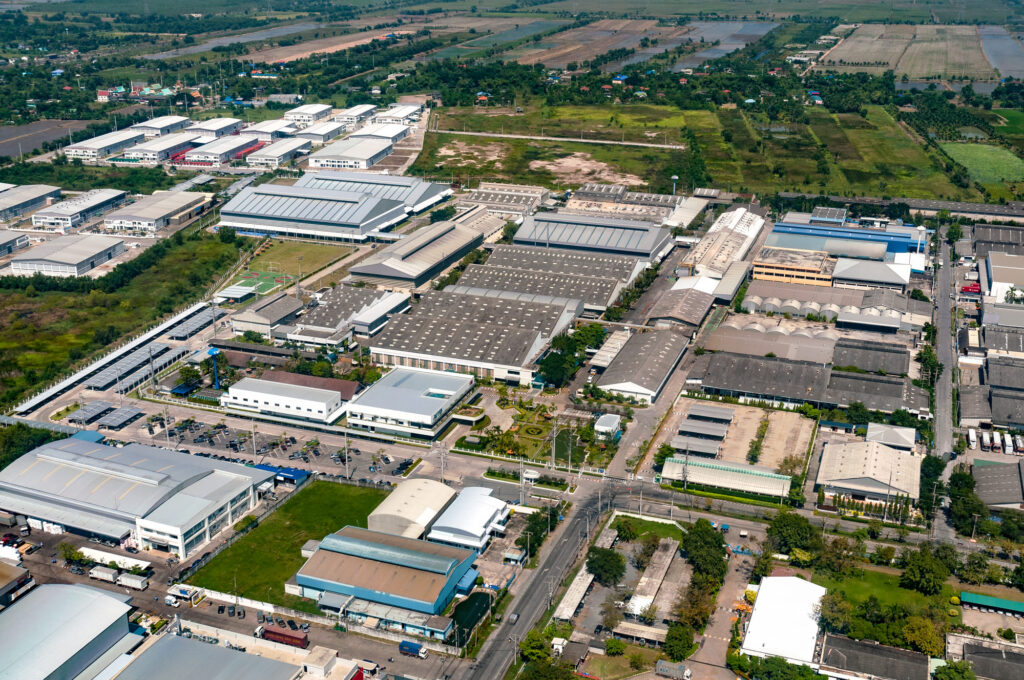
The past two years have underscored just how critical a subcontractor’s location can be. A foundry based in France offers reliable delivery times, greater responsiveness in the event of production disruptions, and a direct business relationship that facilitates changes to specifications. ID Casting operates its French production sites—AMI in Igny (Essonne) and SIOBRA in Arbois (Jura)—in addition to its Tunisian capacity, allowing its customers to combine proximity and cost-effectiveness based on their volume and supply chain criticality.
Criteria to Consider When Compiling Your Shortlist
Before approving a supplier, be sure to cover these points during your consultation:
- Technical Capabilities: press tonnage range, sizes of parts processed, minimum thicknesses handled
- Industry experience: experience in your field (automotive, gas, electrical, medical, etc.)
- In-house tooling capabilities or a managed tooling partnership
- Current quality certifications (ISO 9001, IATF)
- Alloy Recycling Policy and Environmental Assessment of the Site
- Co-design capabilities and available engineering resources
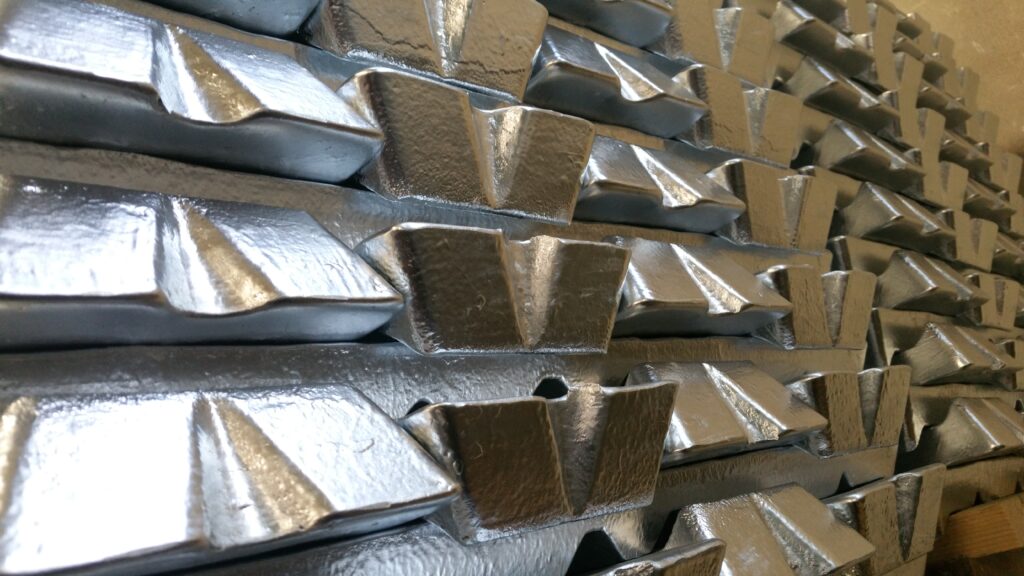
- Procedures for Sourcing and Securing the Supply of Zinc
Why Cumulative Experience Matters
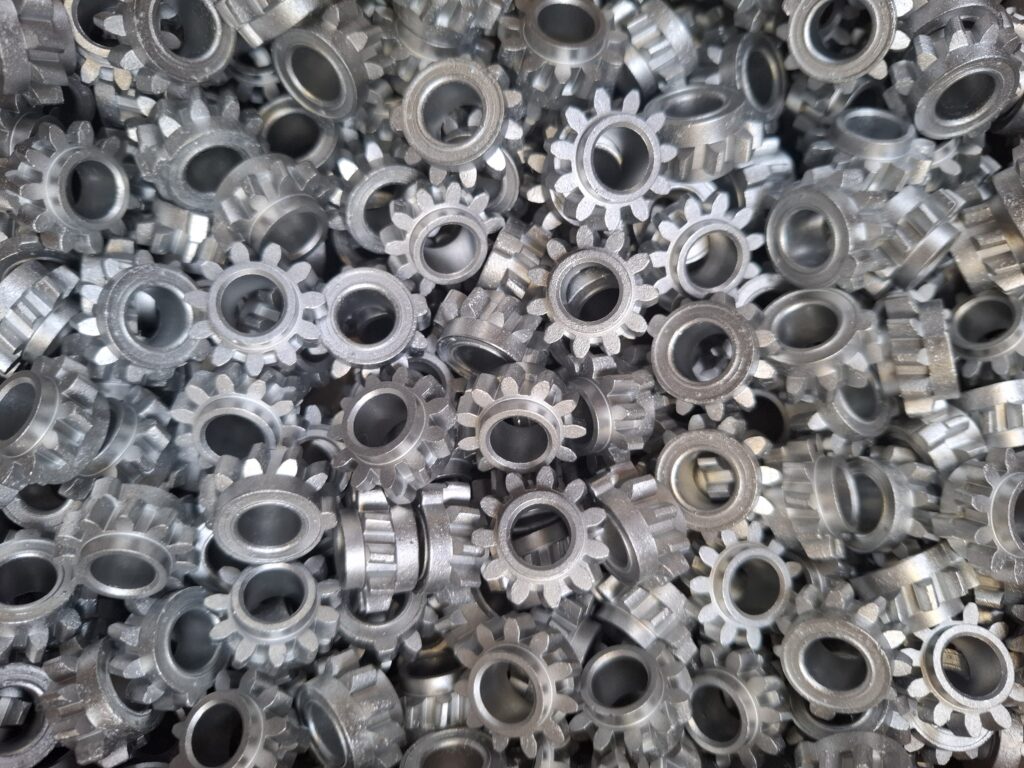
In zamak die casting, expertise is acquired over decades, not through pilot projects. The ability to anticipate casting defects, optimize pouring strategies, or validate new tooling in just a few cycles requires a wealth of experience that cannot be easily quantified by numbers. The ID Casting Group processes approximately 3,000 metric tons of alloy per year for nearly 300 customers in sectors as diverse as automotive, medical, gas, and electronics. It is this operational depth that makes the difference when a production run ramps up or a part undergoes changes during its lifecycle.
Key Takeaways
The choice of a Zamak foundry subcontractor depends on process expertise, co-design capabilities, quality certifications, and logistical reliability—not solely on the unit price. A partner capable of getting involved right from the design phase can generate savings far greater than what a price difference in the bidding phase might suggest. Do you have a project involving technical parts made of zinc alloy? Contact the teams at ID Casting for a feasibility analysis and co-design support tailored to your production volumes.